
The evolution of gambling tracing its historical roots and cultural impact
Historical Beginnings of Gambling
The origins of gambling can be traced back to ancient civilizations where games of chance played a pivotal role in social and cultural dynamics. Archaeological evidence suggests that as early as 3000 BC, the Chinese were using rudimentary forms of dice, while the Romans developed betting as part of their entertainment culture. These initial forms of gambling were often intertwined with religion and rituals, showcasing how deeply ingrained the practice was in societal structures. The popularization of games such as dice and betting on horse races marked a significant evolution in the gambling landscape. For those interested in learning more, visiting wildsino.nz can provide valuable insights.
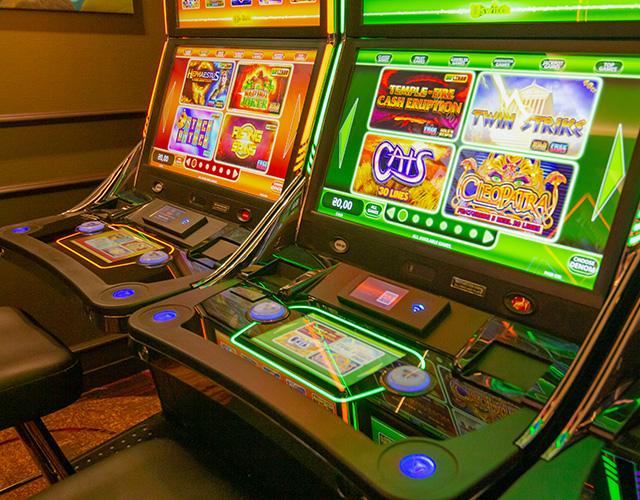
In addition to China and Rome, cultures across the globe have utilized gambling as a means of both entertainment and economic activity. Ancient Egyptians engaged in betting on board games, while Indian texts depict gambling as an essential part of royal courts. These activities were not merely pastimes; they often served as tools for social bonding, competition, and even conflict resolution. The evolution of gambling was thus influenced by varying cultural norms, regulations, and moral perspectives that shaped its acceptance and popularity in societies.
As societies progressed, gambling began to formalize into regulated activities, especially during the Middle Ages. European nobles organized betting games, laying the groundwork for modern casinos. This era marked the transformation of gambling from informal activities into more structured forms, with established rules and stakes, illustrating how cultural attitudes toward risk and reward evolved alongside societal development.
Gambling in Modern Times
The transition to modern forms of gambling occurred with the establishment of state-sponsored lotteries in the 16th century and the creation of gaming houses in the 17th century. These developments reflected an increasing societal acceptance of gambling as a legitimate form of entertainment. The introduction of casinos in cities like Venice and Monte Carlo in the 19th century played a crucial role in transforming gambling into a glamorous affair, attracting patrons from various walks of life. This shift led to the emergence of gambling not only as a leisure activity but also as a lucrative industry.
The 20th century saw a further evolution with the rise of Las Vegas as the world’s gambling capital. With its extravagant resorts and wide array of gaming options, Las Vegas became synonymous with modern gambling culture. This period also witnessed the introduction of online gambling, which revolutionized access and participation. Suddenly, millions of players could engage in various forms of gambling from the comfort of their homes, demonstrating how technology has shaped and expanded the gambling landscape.
Contemporary gambling includes not only traditional casino games but also sports betting, online poker, and esports wagering. Regulatory changes in many jurisdictions have contributed to the growth and legitimacy of these activities. Societal attitudes are shifting as gambling is increasingly viewed as a form of entertainment rather than a vice. However, this change also brings challenges, such as gambling addiction and the need for responsible gaming initiatives to safeguard individuals and communities.
Cultural Perspectives on Gambling
Cultural attitudes toward gambling vary significantly around the world, influenced by historical, religious, and social factors. In some cultures, gambling is viewed as a harmless pastime, a way to foster community spirit, and a means of enhancing social ties. For instance, in many parts of Asia, games like Mahjong are played during festivals, blending gambling with cultural traditions. This perspective illustrates how gambling can serve as a bridge between leisure and cultural heritage.
Conversely, other cultures consider gambling a taboo, associating it with moral degradation and societal harm. In countries with strong religious influences, such as some Islamic nations, gambling is outright banned, reflecting a belief that it undermines moral values and promotes vice. This dichotomy showcases the complexities of gambling’s cultural impact and how it can simultaneously unite and divide communities.
Moreover, popular media has played a significant role in shaping perceptions of gambling. Movies, television shows, and literature often romanticize gambling, portraying it as an exhilarating escape or a path to fortune. These portrayals can glamorize the act, attracting individuals to participate while downplaying the risks involved. As such, cultural narratives about gambling continue to evolve, impacting societal views and behaviors in profound ways.
The Psychological Aspects of Gambling
The psychology of gambling is a fascinating area of study, encompassing various factors that drive individuals to engage in such activities. One prominent aspect is the thrill associated with risk-taking and the potential for reward. For many, the excitement of gambling stems from uncertainty; the possibility of winning can trigger a rush of adrenaline, leading to what is often described as a ‘gambling high.’ This physiological response is rooted in the brain’s reward system, which can make gambling a compelling activity.
However, the psychological allure of gambling can also lead to detrimental consequences, particularly in the form of addiction. Problem gambling can have far-reaching impacts on individuals and families, often resulting in financial ruin and emotional distress. Understanding the psychological triggers for gambling addiction is crucial for developing effective prevention and treatment strategies. These efforts aim to balance the enjoyment of gambling with responsible practices to mitigate its risks.
Moreover, the evolution of gambling has spurred the development of various support systems for those affected by gambling addiction. Many organizations offer resources and counseling services to assist individuals in reclaiming control over their lives. The growing recognition of gambling addiction as a public health issue reflects changing attitudes toward the practice and highlights the need for a comprehensive approach to gambling’s psychological impacts.
Future Trends and Innovations in Gambling
The future of gambling is poised for significant transformation, driven by technological advancements and changing consumer preferences. The rise of mobile gaming has made gambling more accessible, allowing players to engage from anywhere at any time. This trend is likely to continue, with innovations like virtual reality gambling providing immersive experiences that blur the lines between reality and the virtual world. As technology evolves, so too will the ways in which individuals experience and engage with gambling.
Additionally, the integration of data analytics and artificial intelligence in gambling will enhance user experiences by personalizing recommendations and improving game designs. These advancements can also aid in responsible gambling initiatives by enabling operators to monitor player behavior and identify signs of problem gambling earlier. Such innovations underscore a growing commitment to balancing enjoyment with player safety in the industry.
As regulations evolve alongside technological advancements, the gambling landscape will continue to shift. Legalization efforts in various regions and the increasing acceptance of gambling as mainstream entertainment signal a future where gambling may become even more ubiquitous. However, this evolution must be accompanied by ongoing discussions about ethical considerations, social responsibility, and the potential impacts on communities, ensuring that the cultural legacy of gambling adapts responsibly in an ever-changing world.
Conclusion
In conclusion, the evolution of gambling illustrates a rich tapestry of historical roots and cultural impacts that span across civilizations and time. From its ancient beginnings to modern innovations, gambling has continually adapted to societal changes while impacting cultural norms and individual behaviors. Today, as the industry evolves further with technology and shifting perspectives, understanding gambling’s historical context and cultural significance becomes ever more critical.
For those looking to explore this dynamic field, resources and information are essential. Websites dedicated to gambling, such as Wildsino.nz, aim to provide engaging content and services that reflect the current landscape. Although technical difficulties may arise, the commitment to delivering insightful resources remains a priority, emphasizing the importance of understanding both the evolution and the implications of gambling in contemporary society.